Workshop in Ankara: The Future of the Process Amid Developments in Syria and Iran
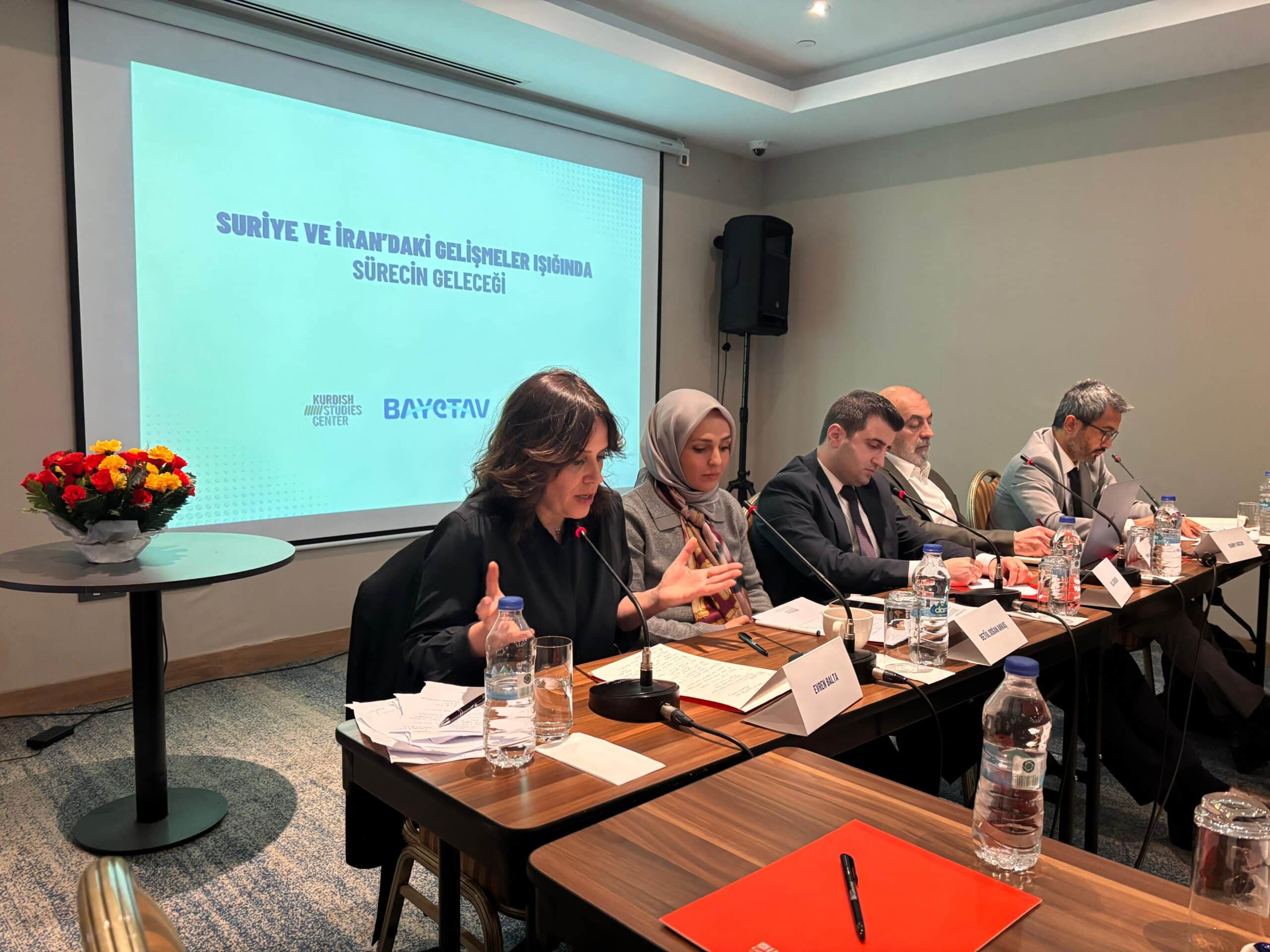
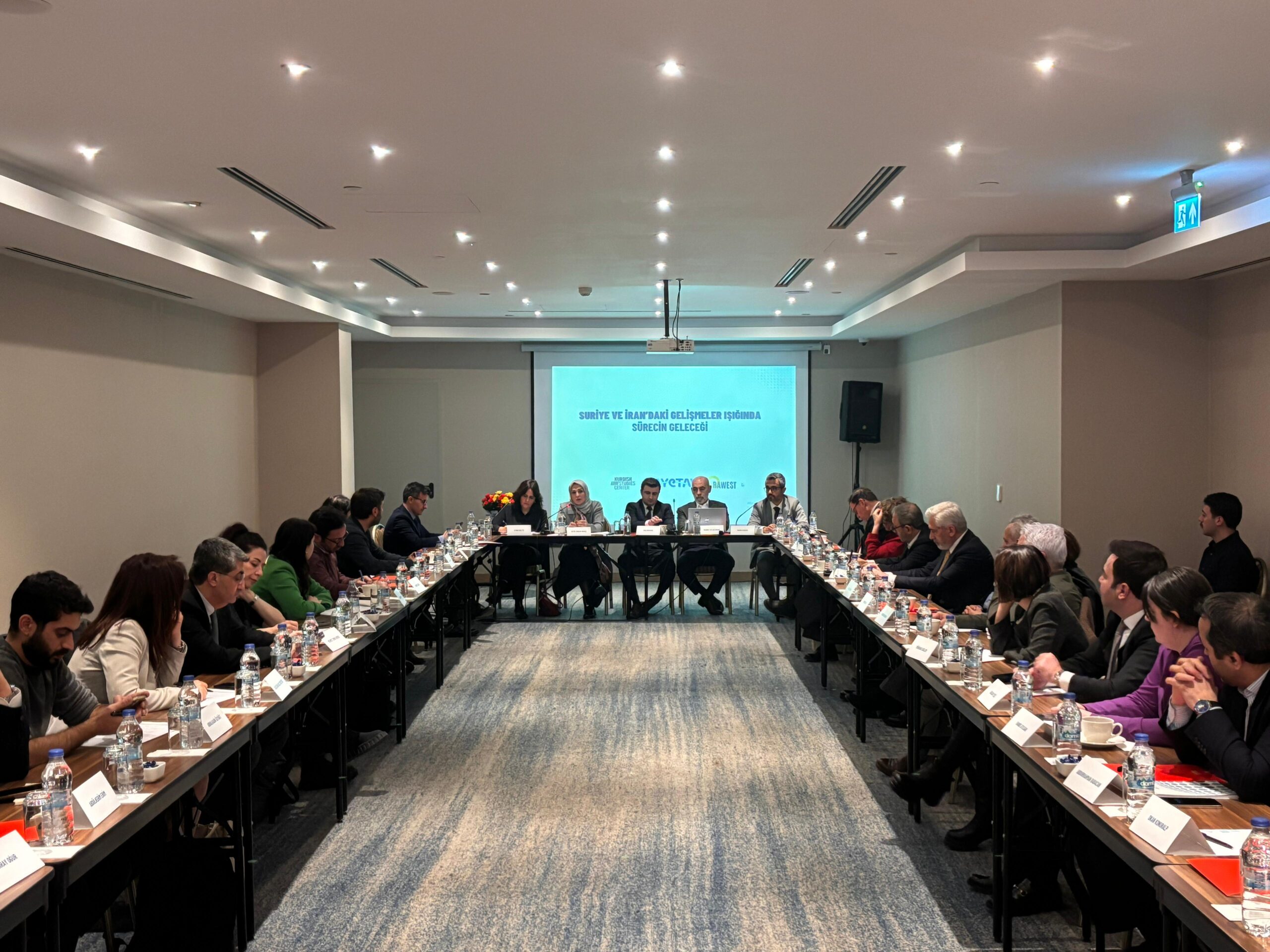
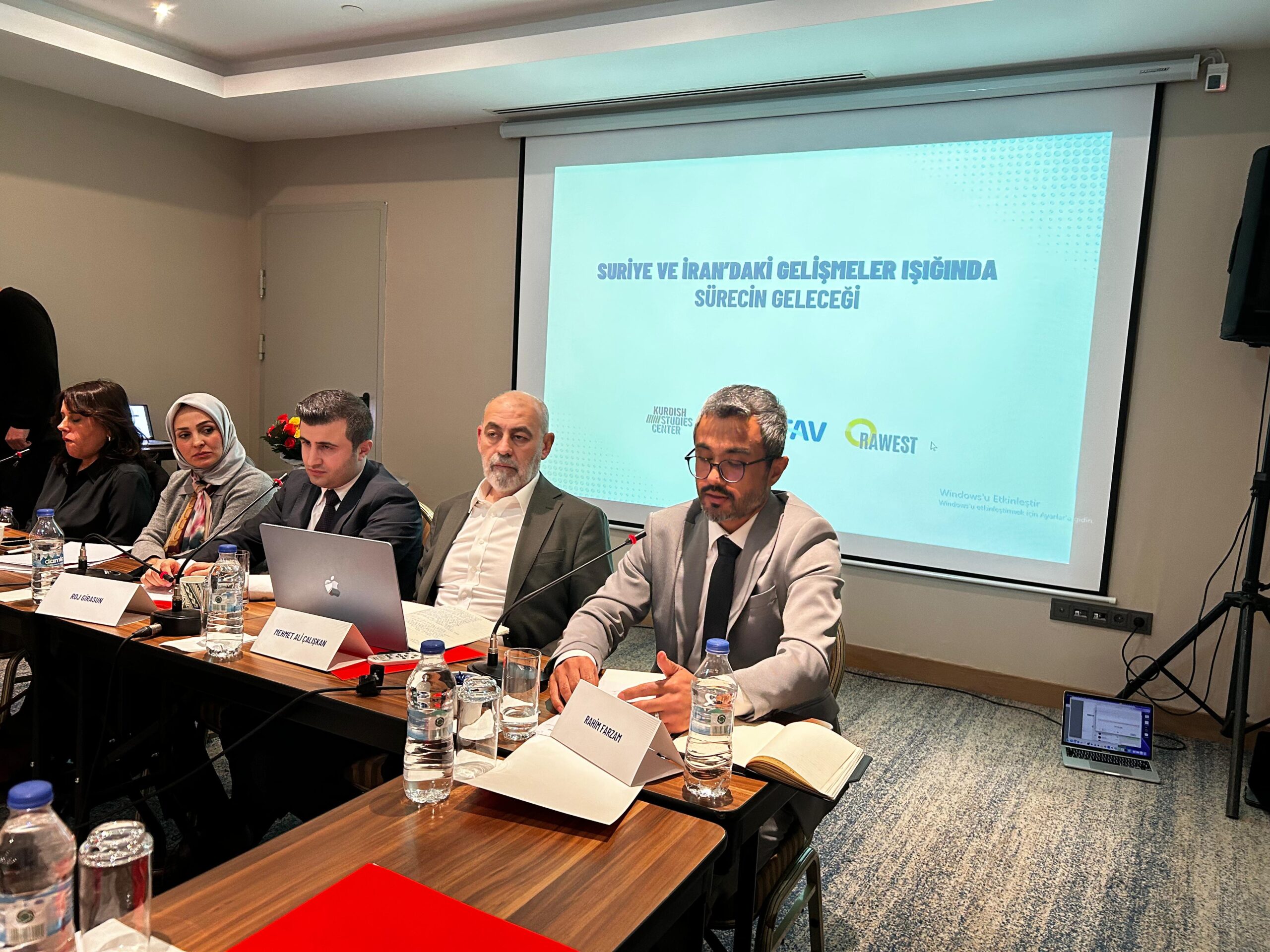
The Kurdish Studies Center (KSC), in cooperation with Rawest Research and BAYETAV, organized a workshop in Ankara titled “The Future of the Process in Light of Developments in Syria and Iran.” The meeting began with an iftar gathering. Participants discussed how the developments that started with the clashes in Aleppo and entered a new phase with the agreement reached on January 30 could shape Damascus–SDF and Ankara–Kurdish relations, as well as the broader trajectory of the ongoing process. The workshop also examined the expected next steps following the joint report released by the Turkish Grand National Assembly’s Commission on National Solidarity, Brotherhood, and Democracy, and discussed how the United States’ intervention in Iran may reshape the regional dynamics and affect Türkiye as well as the ongoing process.
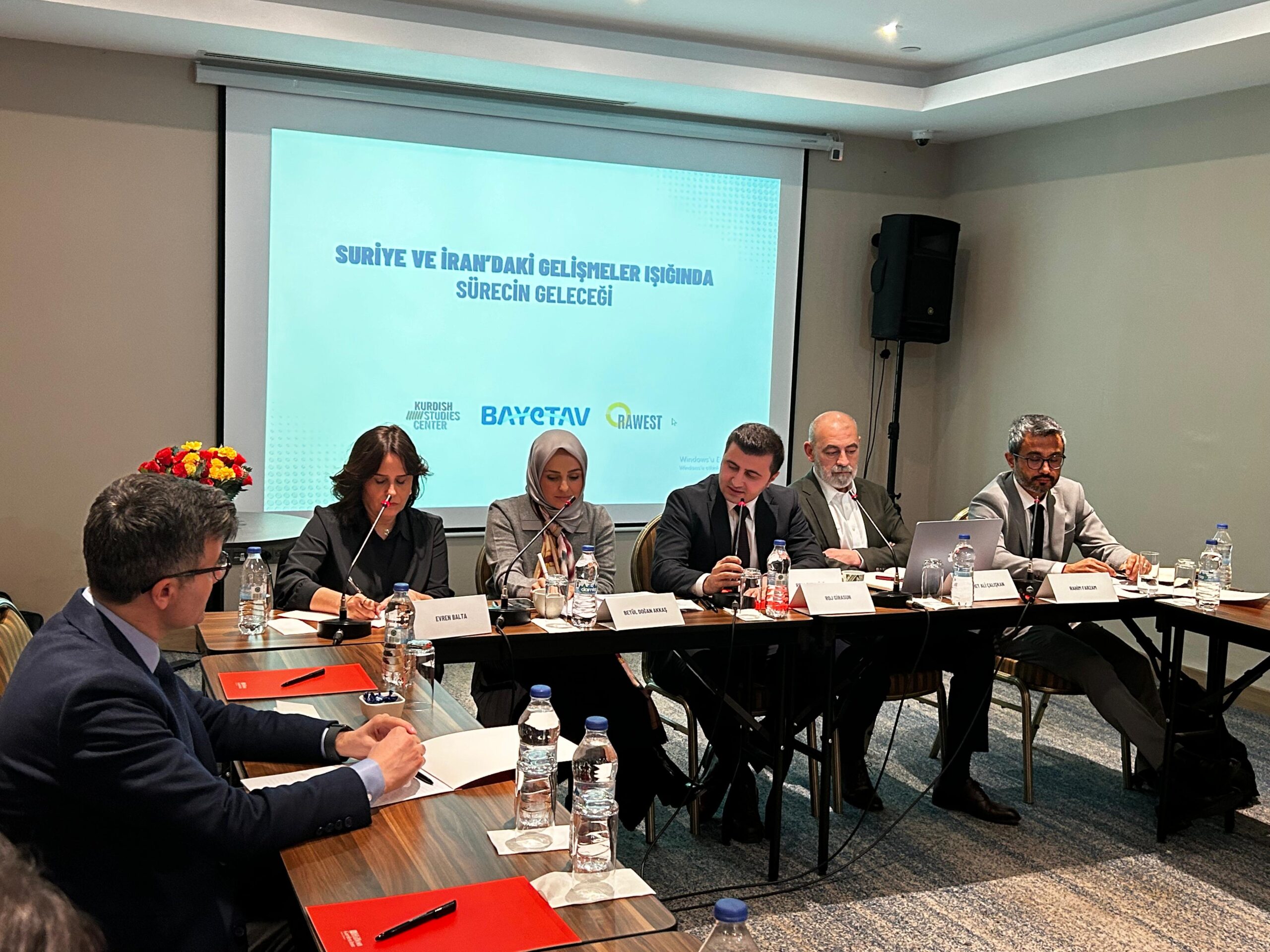
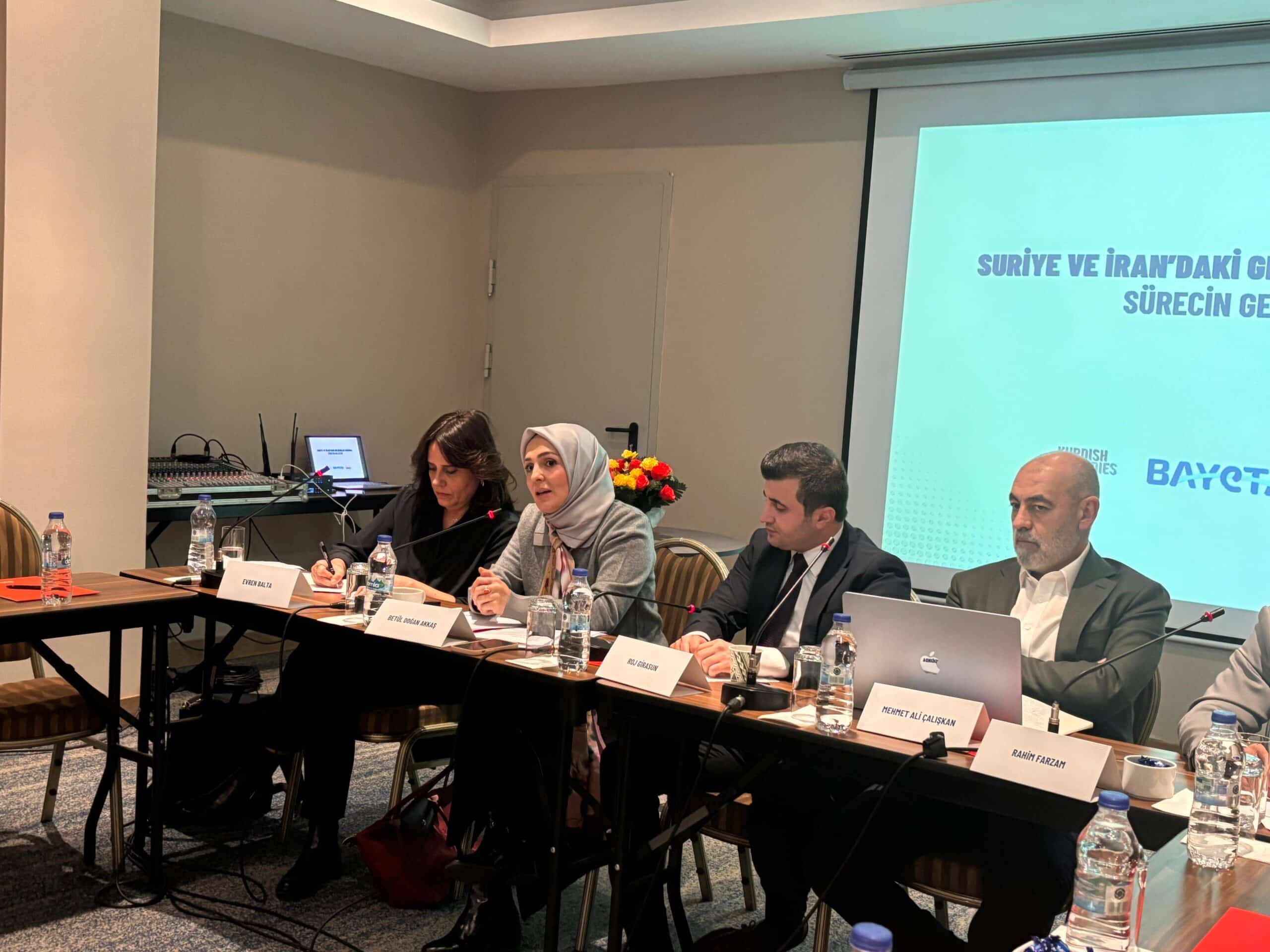
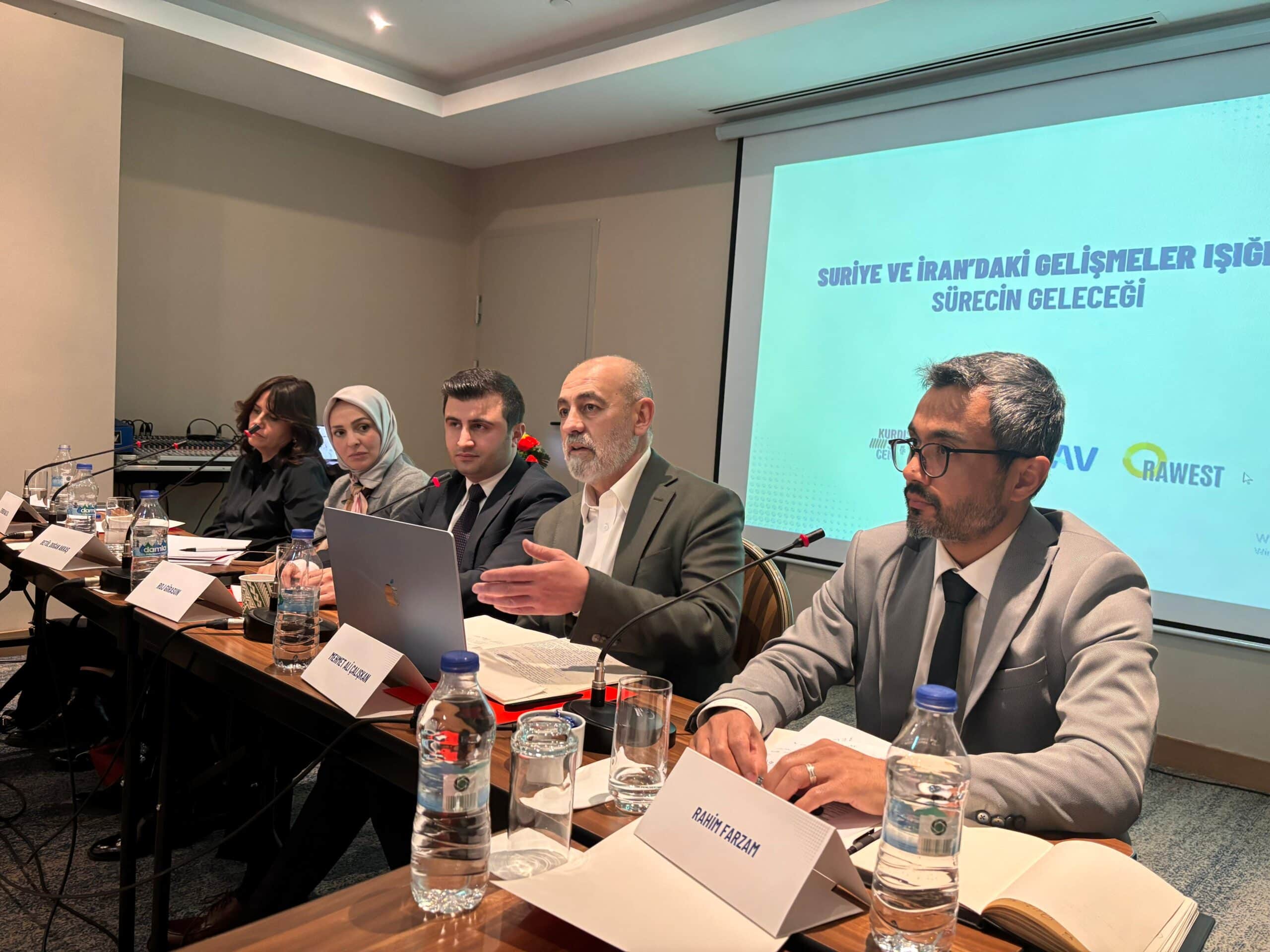
The program began with opening remarks by KSC Director Reha Ruhavioğlu. This was followed by a session moderated by Rawest Research Director Roj Girasun, during which four speakers delivered brief presentations.
Dr. Betül Doğan Akkaş, a faculty member at the Faculty of Political Sciences at Ankara University, examined developments in Syria through the perspectives of Saudi Arabia and Türkiye. Prof. Dr. Evren Balta, a faculty member at Özyeğin University, analyzed the power dynamics in Syria in light of global developments and discussed the trajectory of relations between Damascus and the SDF. Dr. Rahim Farzam, a senior researcher at the Iran Studies Center (İRAM), assessed the regional implications of the United States’ intervention in Iran, particularly its potential impact on Türkiye’s foreign policy and the trajectory of the ongoing process. Researcher Mehmet Ali Çalışkan discussed the commission report, focusing on public perceptions and expectations surrounding the process.
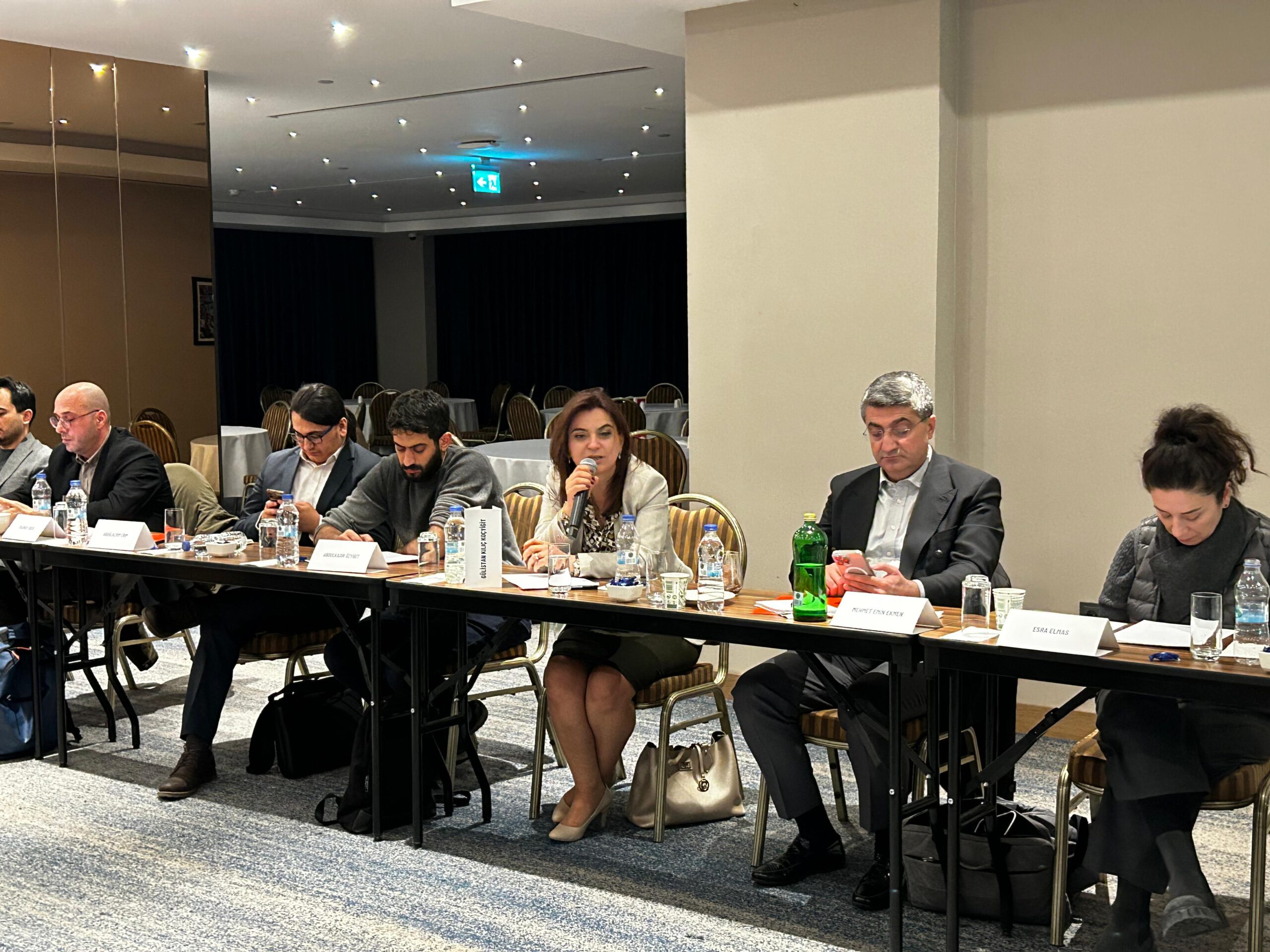
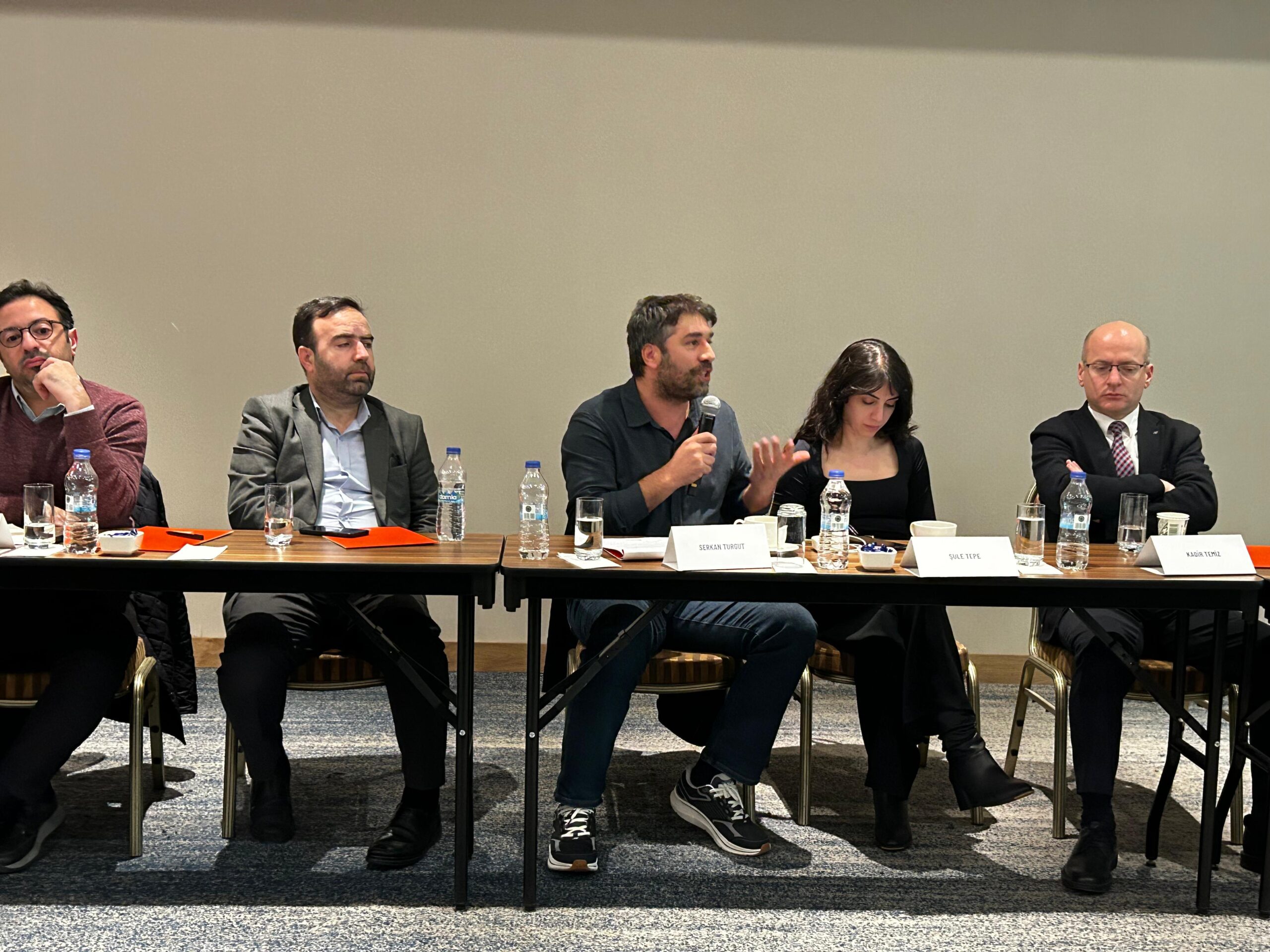
Following the speakers’ brief presentations, the workshop moved to a discussion session with questions, comments, and contributions from participants. The discussion addressed the possible implications of developments in Syria for the ongoing process in Türkiye, the debates that emerged following the commission report, and the ways in which regional developments may be reflected in domestic politics.
In the closing remarks, Prof. Dr. Mesut Yeğen, a member of the KSC Board, reflected on the discussions and highlighted the challenges the process may face in the period ahead.
As KSC, we would like to thank Rawest Research and BAYETAV for their contributions to organizing this meeting. We are also grateful to all the speakers and participants whose insights enriched the discussion. Finally, we extend our thanks to our colleagues from all three institutions whose efforts made the preparation and smooth organization of the meeting possible.
İÇERİKLER