We Organized the “Looking Together Toward a Common Future” Roundtable in Ankara
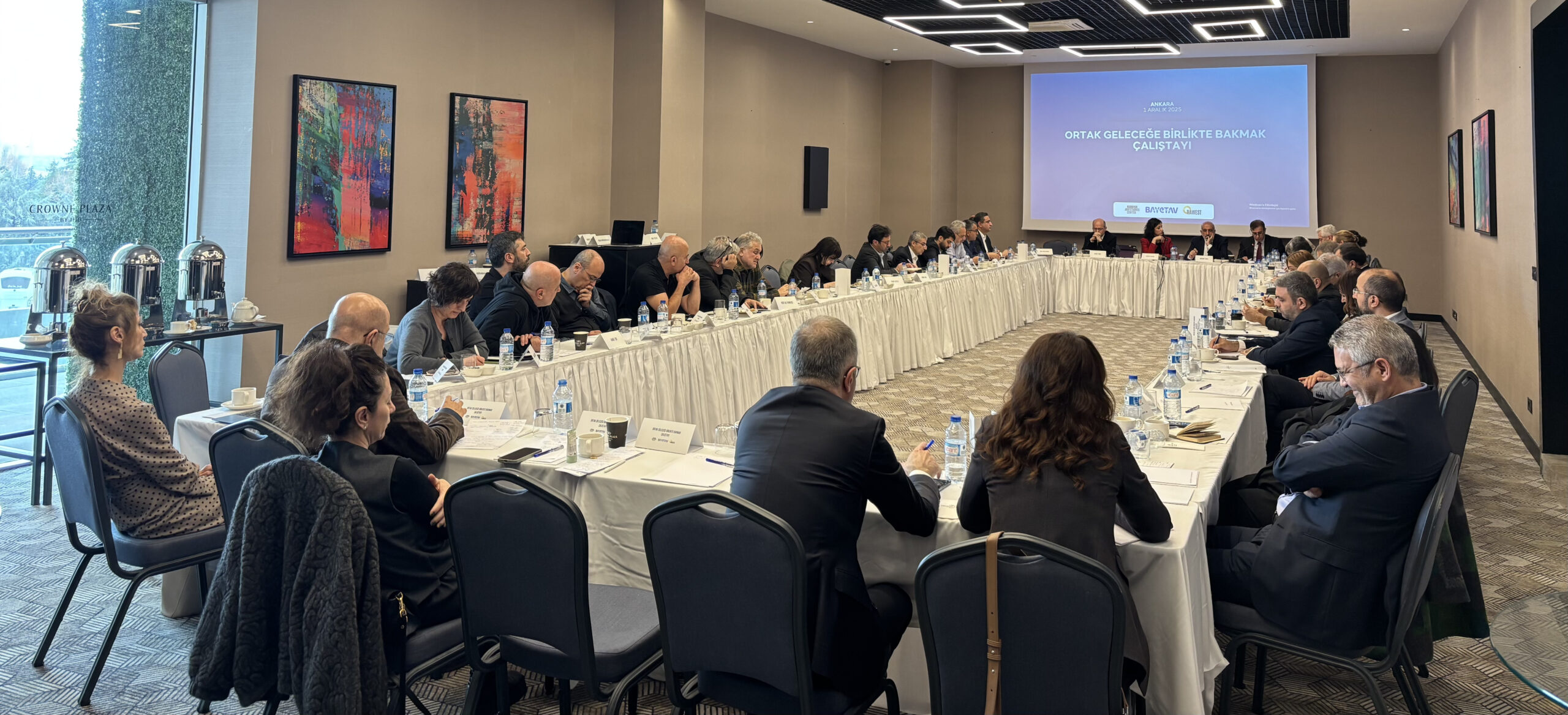
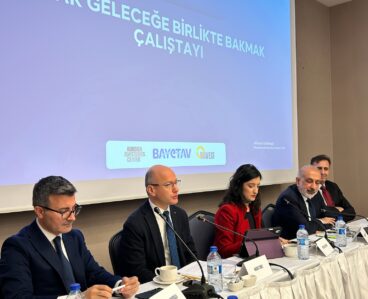
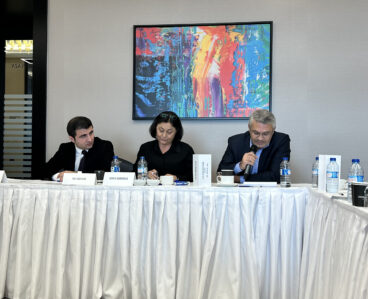
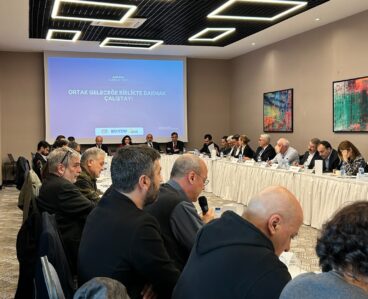
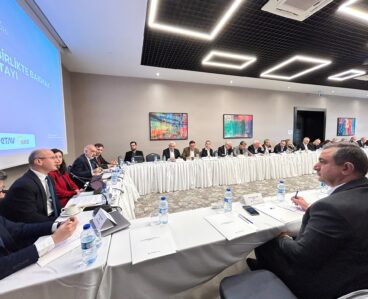
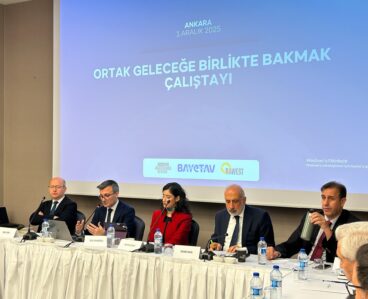
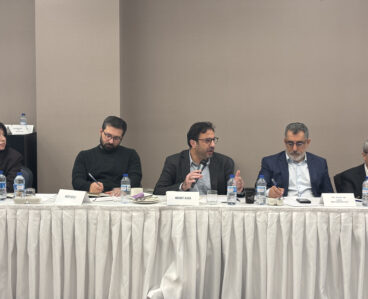
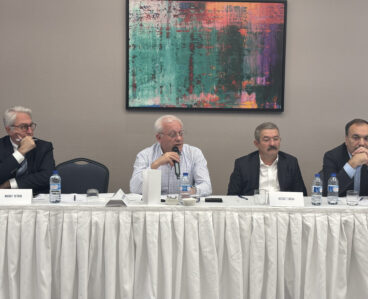
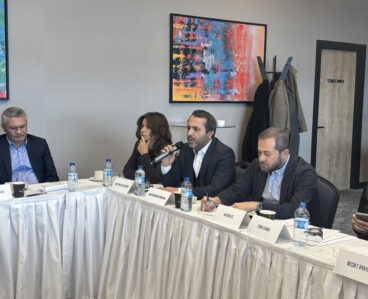
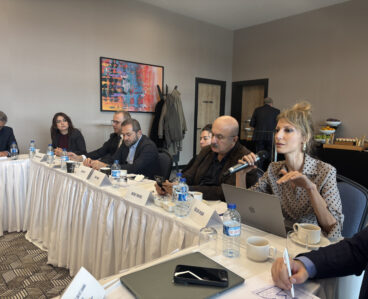
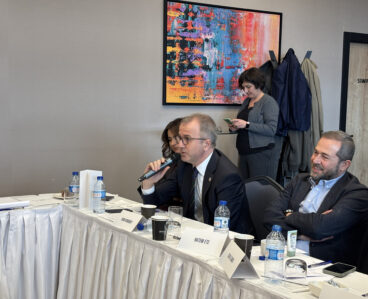
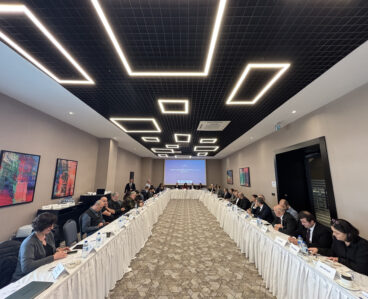
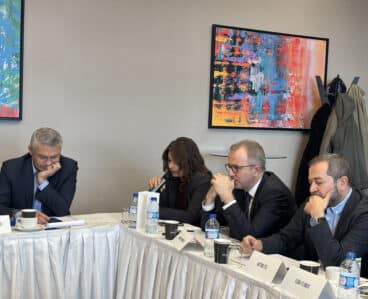
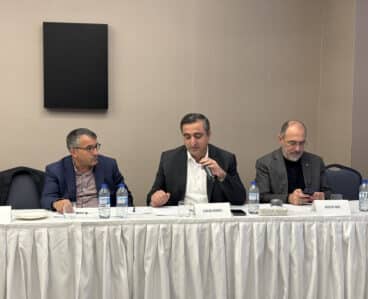
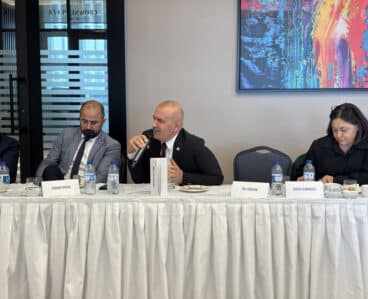
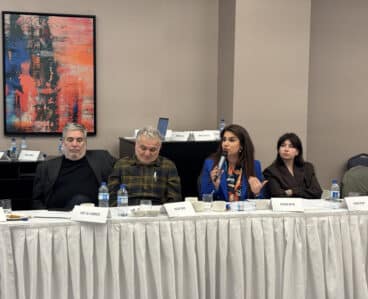
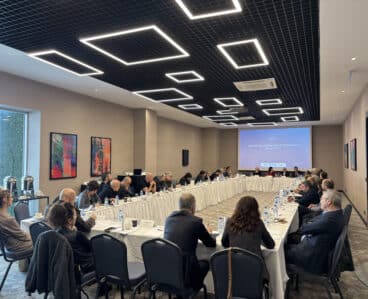
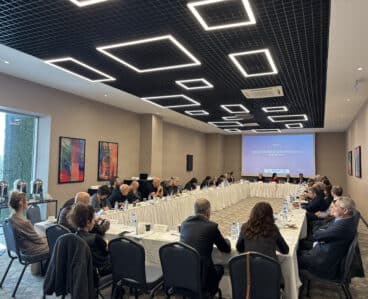
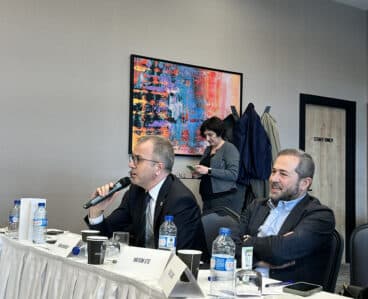
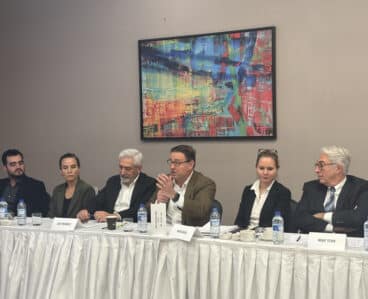
As the Kurdish Studies Center, in cooperation with BAYETAV and Rawest Research, we organized a roundtable titled “Looking Together Toward a Common Future” in Ankara, with broad participation from members of parliament serving on the commission, as well as representatives from civil society, politics, academia, the media, and the business world. During the meeting held in Ankara on Monday, December 1, the process was evaluated from three different perspectives, such as economy, foreign policy, and law to discuss how it may shape Turkey’s next decade.
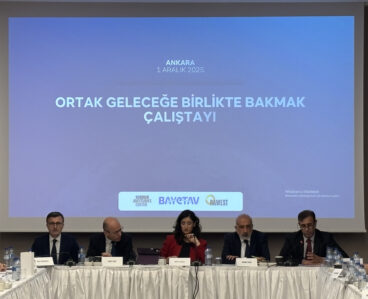
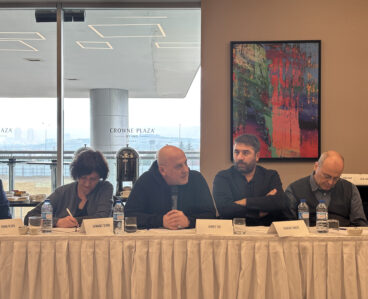
The program began with an opening speech by Reha Ruhavioğlu, Director of the Kurdish Studies Center. This was followed by a session moderated by Berfin Coşkun from the Kurdish Studies Center, in which three speakers delivered brief framing presentations on the process.
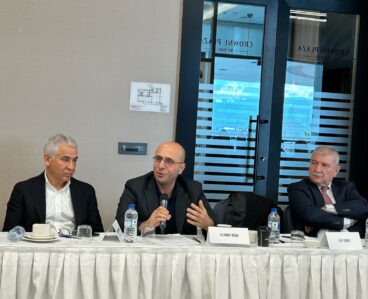
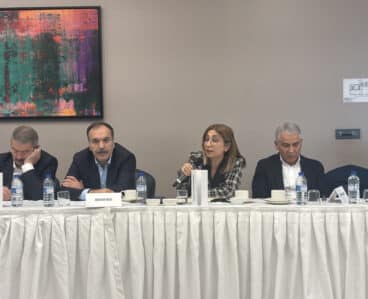
Mehmet Kaya, President of the Diyarbakır Chamber of Commerce and Industry, discussed the impacts of previous resolution and normalization periods on the regional and national economy and offered assessments regarding the potential economic implications of the current process. Kadir Temiz, the President of ORSAM, discussed how regional dynamics could be reshaped if the process moves forward successfully, and what kinds of security outlooks might emerge as a result. Assoc. Prof. Vahap Coşkun of Dicle University addressed the legal regulations required in the next phase and their implications for social life.
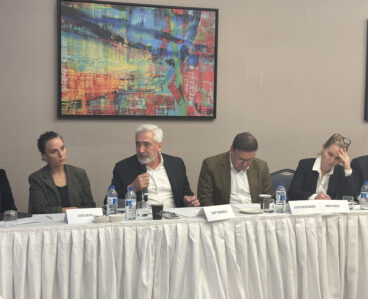
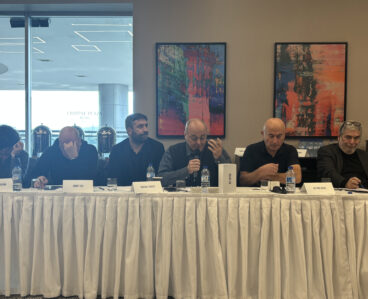
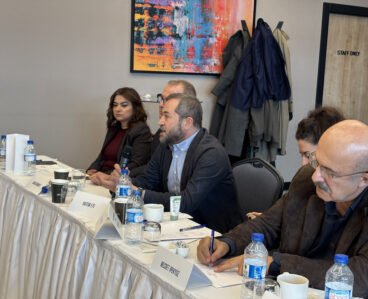
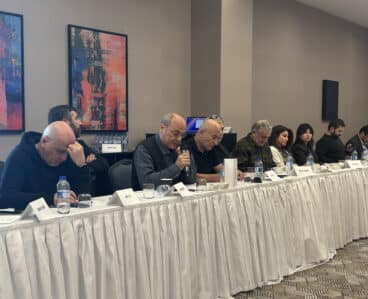
Following the opening remarks, the workshop continued with comments, questions, and contributions from participants. Many members of parliament—including Gülistan Kılıç Koçyiğit, Oğuz Kaan Salıcı, Okan Konuralp, Galip Ensarioğlu, Burhan Kayatürk, Abdurrahman Babacan, Mustafa Bilici, Kani Torun, Mehmet Emin Ekmen, Ahmet Şık, and Serkan Ramanlı—took the floor to share their assessments of the process.
In the discussions, several key themes came to the fore, including the economic opportunities and risks associated with the process, the regional security context of the new period, and the strengthening of democratization and the rule of law. Participants also shared their views on how public expectations and the positioning of political actors may shape the future of the process.
The meeting concluded after the final evaluation session and ended with a luncheon.
As the Kurdish Studies Center, we extend our gratitude to BAYETAV and Rawest Research for this collaboration, to all participants whose contributions enriched the discussion, and to our colleagues whose efforts ensured the smooth execution of the program.
İÇERİKLER